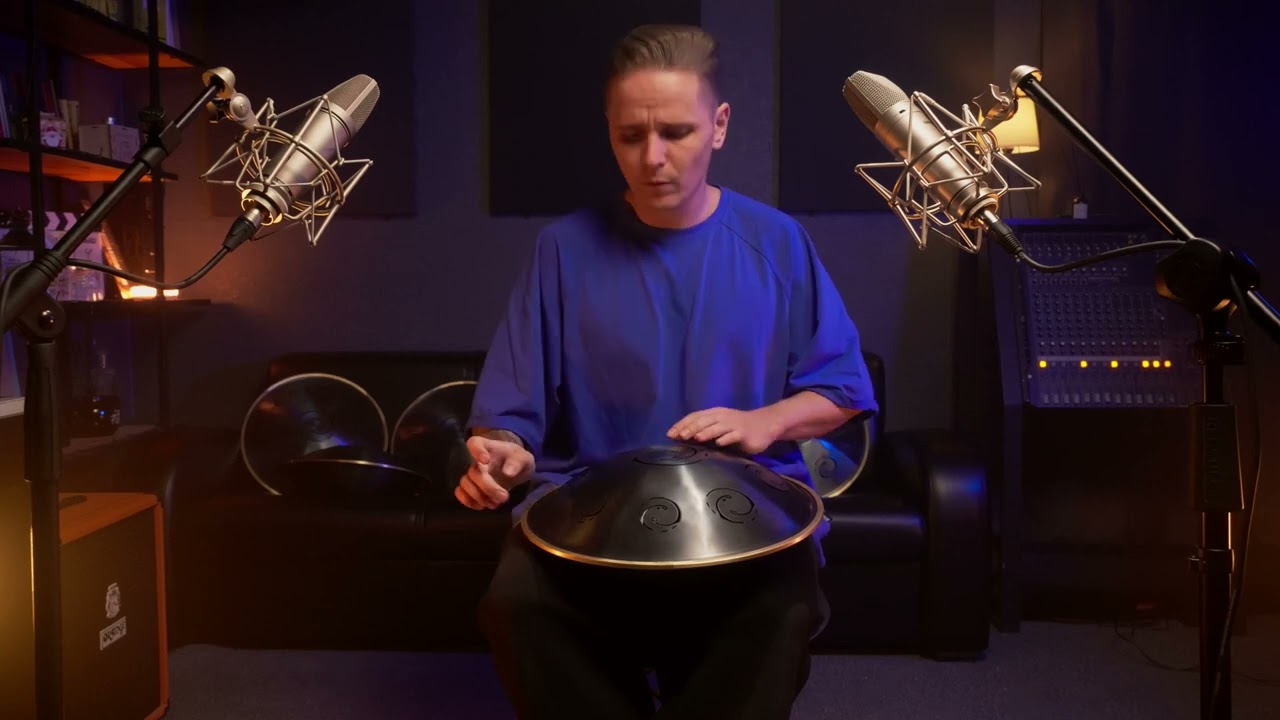
You make the pace.
Play one sound at a time, leave a longer pause, or repeat a short phrase. There is no backing track to keep up with.
 RAV VAST / SOUND IN YOUR HANDS
SCALES FOR MEDITATION
Resonant steel tongue drums for slow, intuitive playing. Follow a note as it fades, repeat a simple melody, or let a chord unfold. Your hands set the pace.
WHY BRING RAV INTO YOUR PRACTICE?
You can begin with one note. A light, quick strike sets the steel vibrating; the tone continues after your hand lifts away. Listen as it fades, then choose when to play again. That simple action can become a repeating focus for a quiet session.
Play one sound at a time, leave a longer pause, or repeat a short phrase. There is no backing track to keep up with.
Each RAV has a fixed set of tuned notes. Start with two or three you enjoy together; you do not need to learn a complete piece first.
Play for yourself, accompany a yoga session, or add a repeating chord under your voice. Choose a model that fits the way you want to make music.
01 / THE LISTENING ROOM
Start with these three examples: a melodic Vast scale, the smaller Moon and the chord-based Anima. Listen for the low note, the space between phrases and whether you prefer melody alone or fuller harmony.
RAV ANIMA / WARREN SHANTI
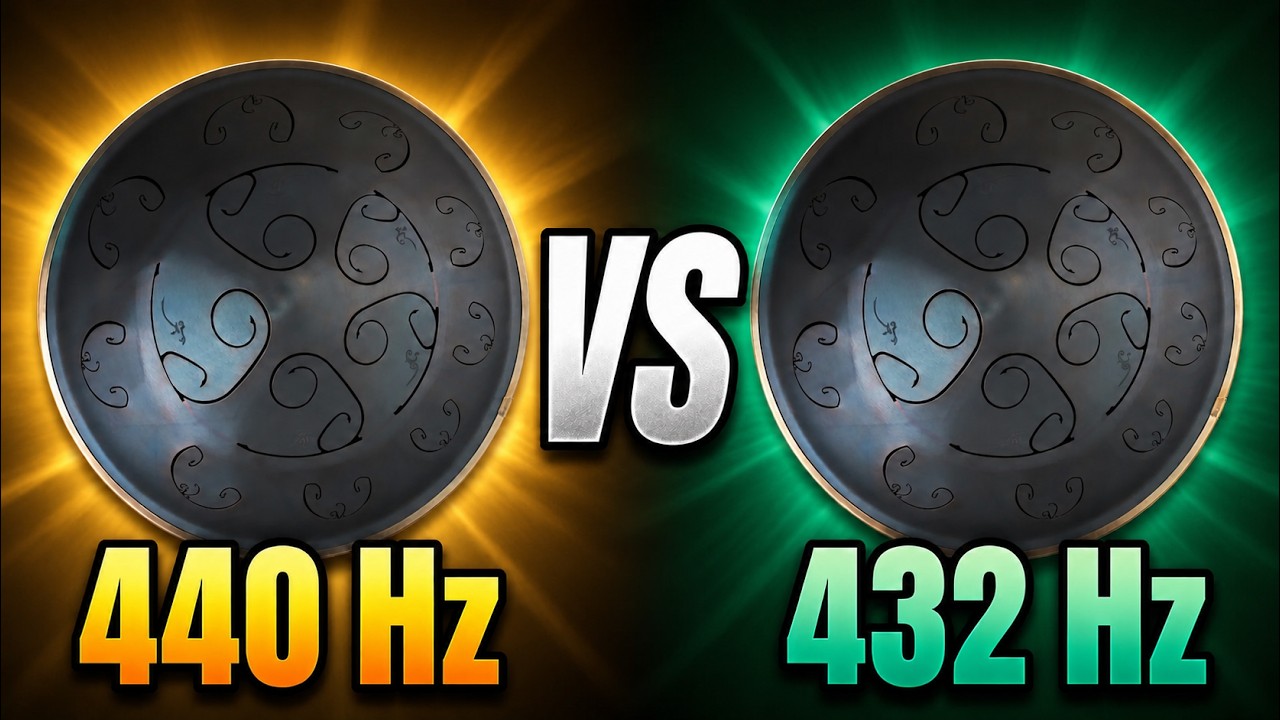
The same musical idea on 440 Hz and 432 Hz Anima.
Open on YouTube ↗Different instruments, players and recording spaces shape what you hear. These performances are a starting point for exploring your own taste.
02 / YOUR KIND OF QUIET
The model changes what your hands can do. The scale changes the notes and melodic character. The 440 / 432 Hz reference changes the pitch. Start with the first two, then choose your tuning.

RAV Vast
Vast is a melody-first instrument. B and D Celtic Minor are approachable places to start; G Pygmy offers a different melodic character, and E Low Pygmy has a low E2 centre.
Explore RAV Vast
RAV Moon
Moon D Pygmy is the compact option in this selection. Choose it if size matters for your practice space or for taking your instrument along; listen to its own voice before deciding.
Explore RAV Moon
RAV Anima
One central tongue sounds a full chord. Anima has five: F, G, Am, C and Dm, plus nine outer melody tongues. It suits repeating harmonies, voice accompaniment and melody over chords.
Explore RAV Anima
A low E2 central note, with the E Low Pygmy scale around it. Choose it if that deep starting tone draws you in. Gold finish.

A smaller instrument with the D Pygmy scale. A practical option when you want a compact RAV for home or travel.

A warm, darker melodic character at the standard 440 Hz reference. Compare it with G Pygmy 432 if you like this scale.

Developed with Kabeção, F Astronaut offers a distinctive melodic path. Explore the recordings on its product page to hear how the notes move together.

B Celtic Minor with an additional note. Choose it for the familiar Celtic layout with more room to extend a melody. 432 Hz.

An approachable choice for your first melodies. A mellow Celtic minor scale, tuned to the lower 432 Hz reference.

A beginner-friendly Celtic minor scale for simple patterns and flowing melodies. Compare its voice with B Celtic Minor. 432 Hz.

The scale used in the forest performance above. The 432 Hz reference gives it a lower pitch than G Pygmy 440.

Five ready-made chords plus nine melody tongues. Choose this 440 Hz version for standard-pitch accompaniment and chord-based playing.
The same five chords and nine melody tongues as Anima 440, at a lower tuning reference. Listen to both versions before choosing.
03 / FIVE MINUTES, JUST FOR YOU
Try this with your own RAV. The aim is a small, repeatable pattern you can listen to, with comfortable pauses between sounds.

A five-minute practice. One note, a small pattern, a little silence.
FIRST MINUTE
Sit comfortably. Make a light, quick touch and lift your finger away. Listen until the note fades before playing it again.
NEXT THREE MINUTES
On Vast or Moon, pick a low note and two others you like. Play low–high–high, then pause. On Anima, start with the Am chord and add one or two outer melody notes. Repeat without rushing.
LAST MINUTE
Make the pattern simpler, then stop playing. Stay with the fading sound for a moment before moving on with your day.
04 / A LITTLE GUIDANCE
 YOGA & MEDITATION
Ideas for simple patterns and accompanying a yoga or meditation session with RAV.
Read the guideYOUR FIRST NOTES
Five beginner lessons on striking, playing with both hands, rhythm and volume.
Explore the lessonsTRY A MELODY
Explore notes in the virtual player, then hear the real instruments in the recordings on this page.
Open the virtual playerBEFORE YOU CHOOSE
You can begin with a single note and a comfortable pace. A light strike, a short repeating phrase and space to listen are enough for a first session. The beginner lessons above help you build a clean, consistent touch.
Start with a recording you enjoy. B or D Celtic Minor are approachable options for first melodies. Try E Low Pygmy if you are drawn to a low central tone, Moon D Pygmy if you want a smaller instrument, or Anima if you want ready-made chords. G Pygmy and F Astronaut offer other melodic characters to explore.
No. Both 440 Hz and 432 Hz instruments can be played slowly and gently. The reference tuning changes the pitch, while your touch, pace and choice of notes shape the session. Listen to both and choose by ear.
Yes. Agree with the teacher or group on when sound is welcome, keep the volume comfortable and use simple phrases with pauses. If you are accompanying another musician, check the tuning reference and compatible notes first.